
Buffalo Leather vs. Cowhide: The Clash of the Heavyweight Hides
The Battle of the Titans
When selecting a premium leather jacket, the choice often narrows down to the two "Heavyweights": Cowhide and Buffalo (often referred to as Bison). To the untrained eye, they might appear similar. However, from a tailor's perspective and an enthusiast's collection, they are worlds apart. One offers a sleek, architectural precision, while the other provides a raw, untamed character. At IndiFash, we utilize both to cater to different sartorial moods. Here is the definitive comparison to help you choose your champion.
1. The Visual Signature: Pebble vs. Polish
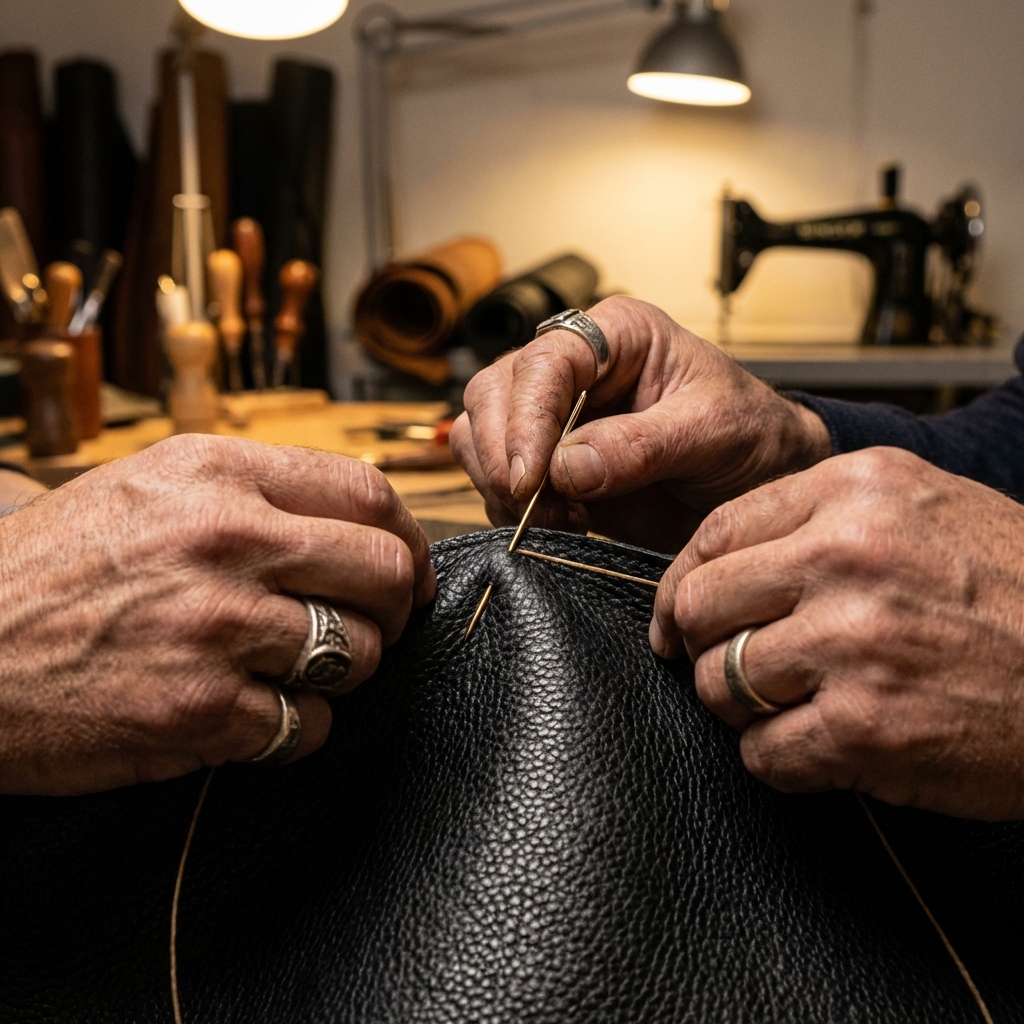
The most immediate difference is the grain Pattern. Cowhide is celebrated for its relatively smooth, uniform surface. It is the "blank canvas" of the leather world, making it perfect for café racers or minimalist blazers where clean lines are paramount. Buffalo Leather, on the other hand, is famous for its "Pebbled" grain. Because buffalo are wild animals with thicker skins, their grain is deep, tactile, and visually striking. It screams heritage and rugged masculinity.
2. Structural Integrity: Thickness and Tensile Strength
While both are incredibly durable, Buffalo Leather is fundamentally stronger. Buffalo hides are not "stretched" during the tanning process in the same way cowhides are. This keeps the collagen fibers bunched and dense. In technical tests, buffalo leather often shows higher resistance to tearing and puncture. However, cowhide is denser. It offers better "body" and structure, allowing a jacket to hold its shape—even when draped over a chair or not zipped up.
3. The 'Comfort' Paradox
You might assume that the tougher buffalo hide would be stiffer. Surprisingly, the opposite is often true. Buffalo leather has a larger pore structure, which makes it more breathable and naturally more flexible. While a thick 1.3mm cowhide jacket might require a month of daily wear to "break in" and soften, a buffalo jacket from IndiFash is often supple right out of the box. It feels "lived-in" from the first zip.
4. Maintenance and Aging
Both hides are naturally oily and water-resistant. However, because of the deeper grain of the Buffalo, it can catch dust more easily. It requires a specialized horsehair brush for cleaning. Cowhide, being smoother, is a "wipe-and-go" material. Over 20 years, cowhide will develop a smooth, shiny patina (think of an old suit), while buffalo will develop a darker, variegated "distressed" look that adds immense personality.
Side-by-Side Breakdown
| Attribute | Full-Grain Cowhide | Artisanal Buffalo |
|---|---|---|
| Initial Stiffness | High (needs break-in) | Moderate (soft out of box) |
| Grain Type | Fine, smooth, uniform | Deep, pebbled, irregular |
| Weight | Heavyweight | Medium-to-Heavy |
The IndiFash Verdict: Which Should You Buy?
Choose Cowhide if: You want a sleek, modern look. You appreciate the "armored" feel of thick leather. You want a jacket that looks professional enough for the boardroom but tough enough for the road. Our Iconic Racer in cowhide is a global bestseller for this reason.
Choose Buffalo if: You want a "Soulful" jacket. You love the feel of texture. You want something that looks unique and gains character immediately. Our Heritage Biker in Buffalo hide is for those who want to stand out from the crowd.
Care Tips for Both
Regardless of your choice, never store either in a plastic bag. Leather is a living material that needs to breathe. Use a wide, wooden hanger to preserve the integrity of the shoulders. And most importantly—wear it! The more you wear it, the better it becomes.
Experience the texture of luxury. Explore our Buffalo vs Cowhide Collections.