The Hidden Engineering: Why Quality Leather Costs More
The Illusion of the Exterior
From ten feet away, a cheap leather jacket and an expensive one can look remarkably similar. They are both black, both have zippers, and both follow a similar pattern. However, the moment you put them on, the "Value Gap" becomes apparent. A premium leather jacket is an feat of Mechanical Engineering. At IndiFash, we spend as much time on the internal components as we do on the leather itself. Here are the three hidden pillars of luxury leather costs.
1. Hardware: The Nervous System
The zippers and snaps are the only moving parts on your jacket.
- The Cheap: "Pot-metal" zippers. These are made from recycled alloys that are brittle. They often snag, the teeth bend, and the pull-tabs snap off. They cost about $0.50 per unit.
- The Expensive: Solid Brass or Stainless Steel (YKK Excella, Riri, or Talon). These zippers are individually polished so they slide like silk. They are designed to withstand 50,000 cycles. They cost between $15 and $40 per unit. This is the difference between a jacket that lasts 2 years and one that lasts 40.
2. The Lining: Managing the Microclimate
What touches your skin is just as important as the leather.
- The Cheap: 100% Polyester. Polyester is plastic. It doesn't breathe. It traps sweat, leading to the "Sauna Effect" where you are hot and cold at the same time. It also tears easily at the armpits.
- The Expensive: Cupro, Rayon, or Cotton Drill. Cupro (Bemberg) is a plant-based fiber that feels like silk but is more durable. It wicks moisture away and naturally regulates temperature. It costs 5x more than polyester but ensures the jacket is comfortable from 50°F to 75°F.
3. Tanning vs. Dying (The Chemical Cost)
How the leather is colored determines its life.
- The Cheap: "Pigment Coated." The leather is sprayed with a thick layer of paint to hide scars and imperfections. This leather feels like plastic and will eventually crack and peel.
- The Expensive: Aniline Dying. The dye is soaked through the entire thickness of the hide. This requires "A-Grade" skins with no scars, as there is no paint to hide them. This process takes weeks, not hours, and results in leather that develops a beautiful patina rather than peeling.
The Quality Hierarchy
| Feature | IndiFash Standard ($500+) | Fast Fashion ($150) |
|---|---|---|
| Stitching | High-tension Nylon (Rot-proof) | Basic Polyester Thread |
| Padding | Internal Canvas / Horsehair | Cardboard / Thin Foam |
| Sourcing | Boutique Tanneries (EU/USA) | Mass-Industrial (Unregulated) |
Conclusion
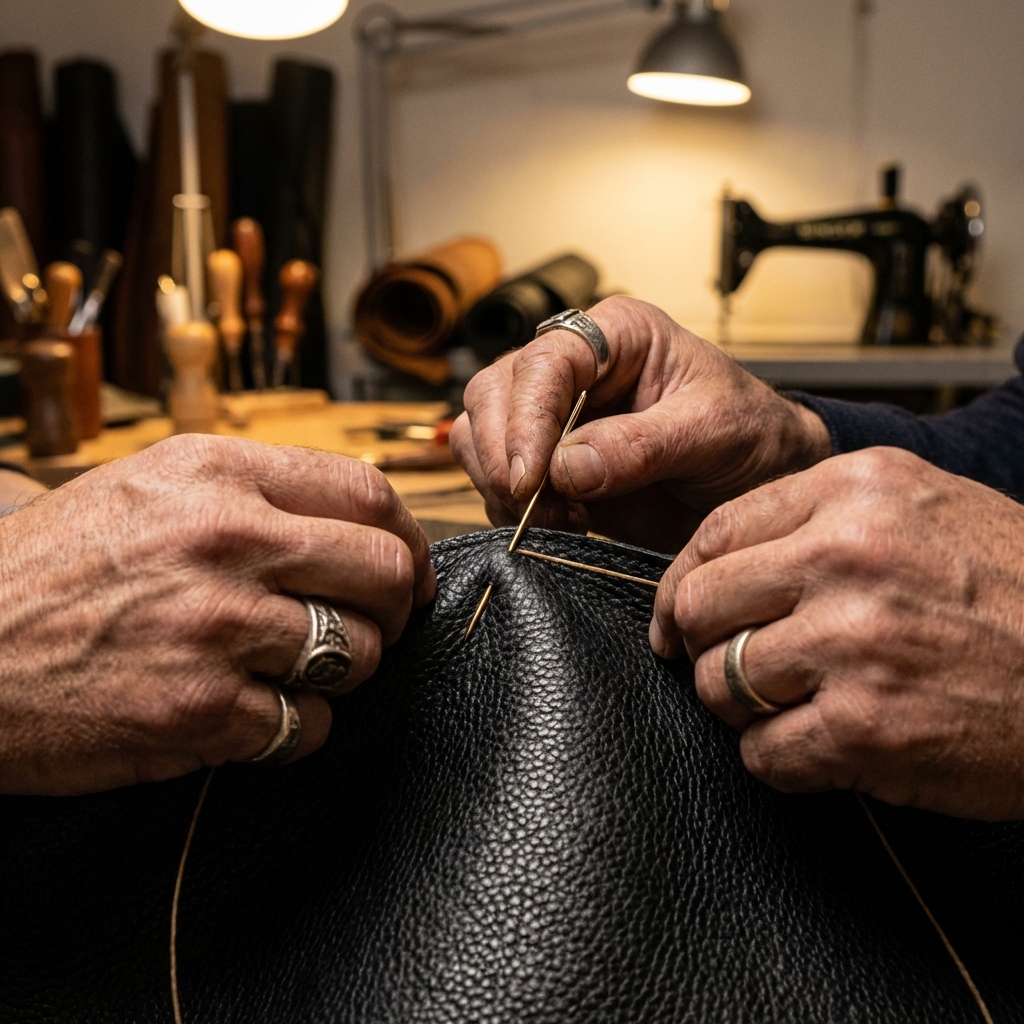
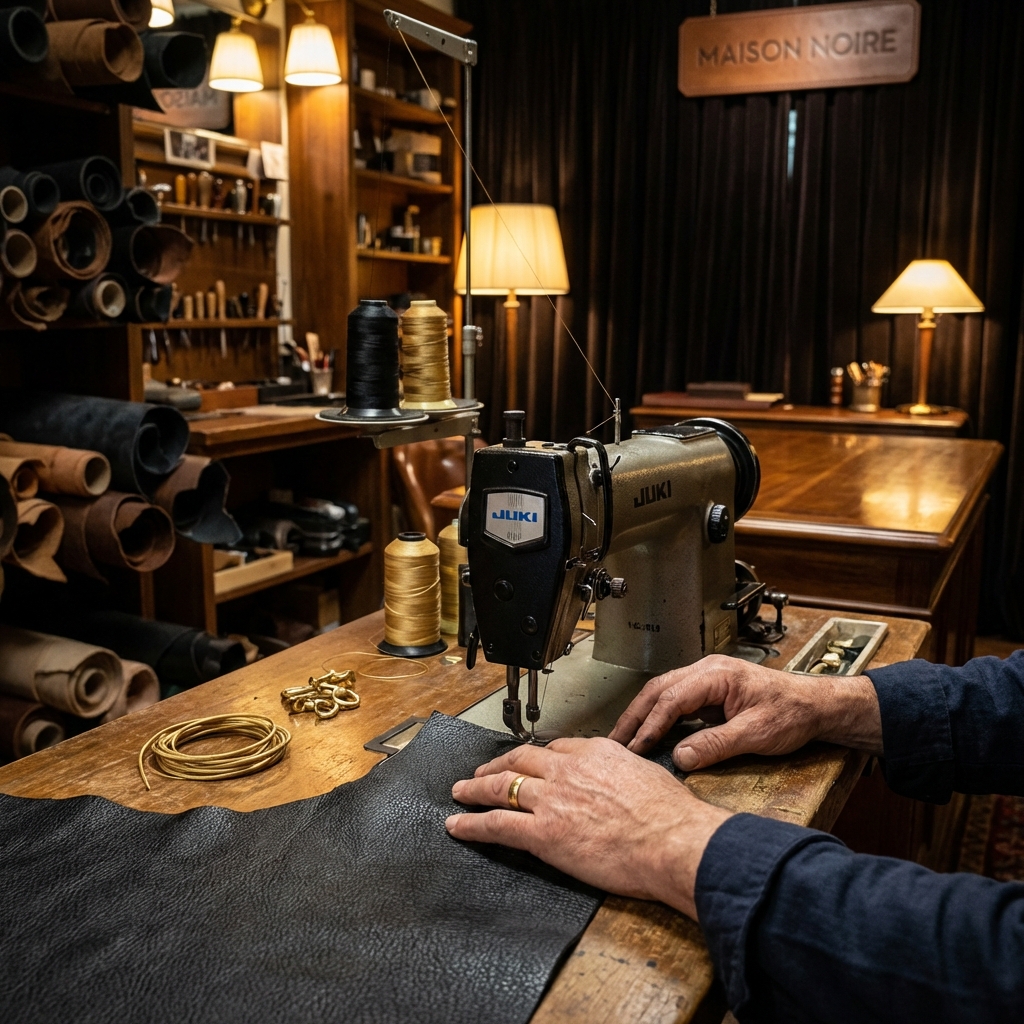
Price is a proxy for Longevity. When you buy an expensive leather jacket, you are paying for the 38 hours of labor, the premium hardware, and the superior hide that will prevent you from ever having to buy another one. In the world of leather, "Cheap" is actually the most expensive option because you have to replace it every few seasons.
Invest once. Shop the IndiFash Signature Range.