The Alchemy of Nature: What is Vegetable-Tanned Leather?
The 6,000-Year-Old Secret
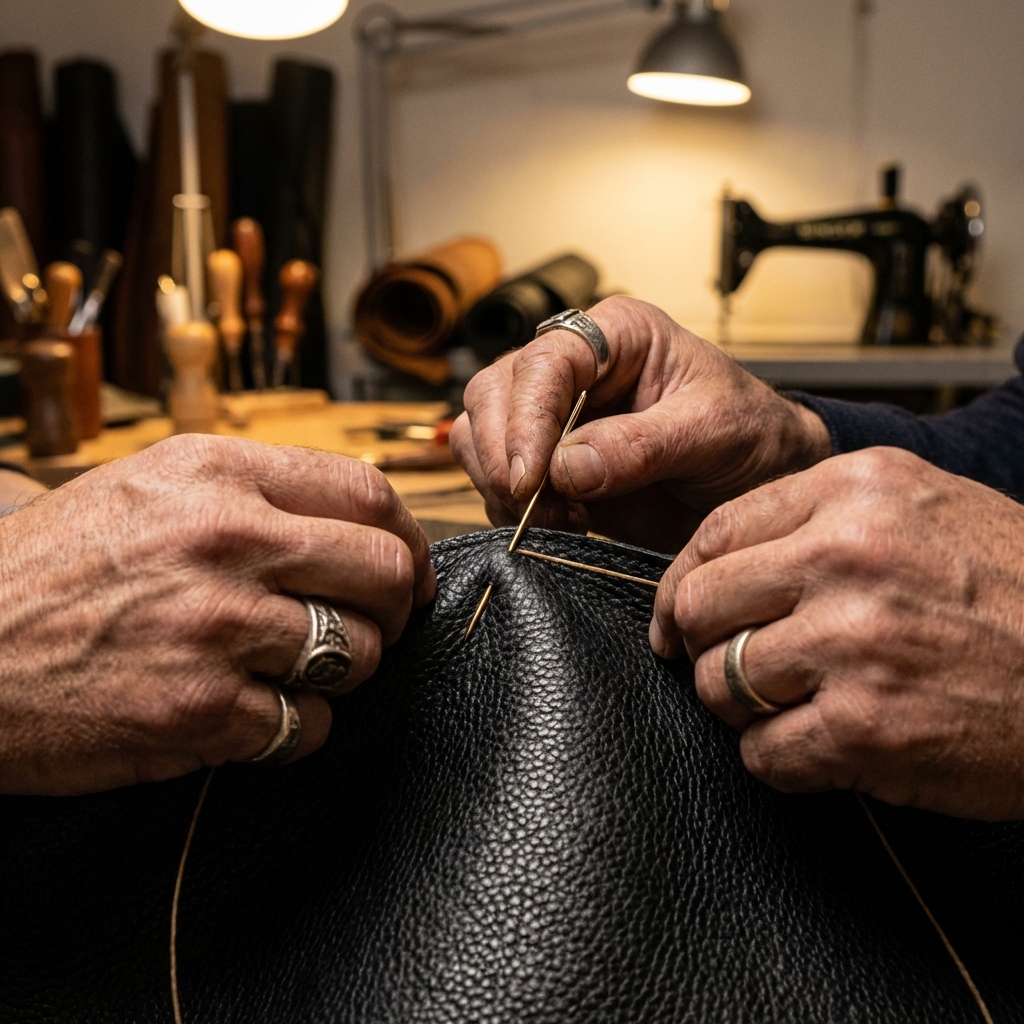
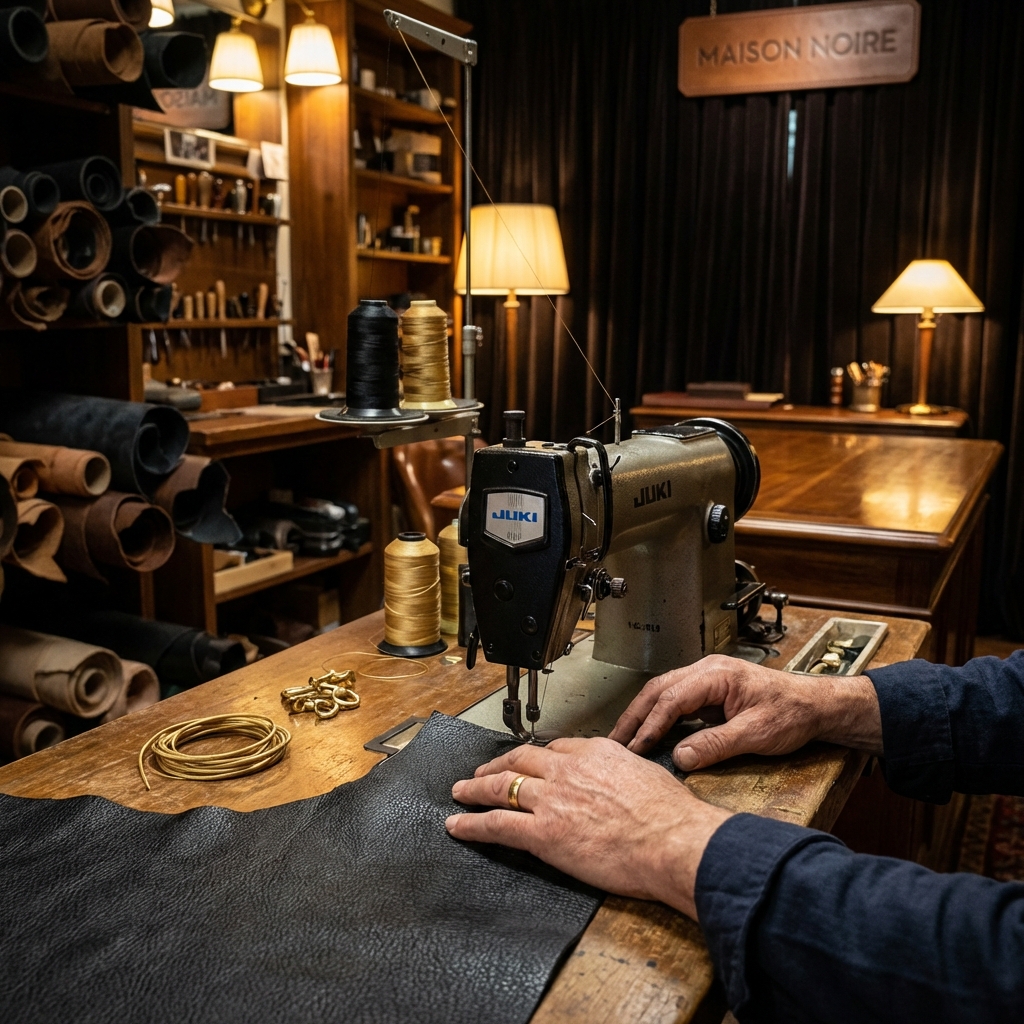
In a world of "Fast Fashion" that prioritizes speed and chemical efficiency, Vegetable Tanning is a radical act of patience. It is the original method of turning animal skin into leather, dating back to the Egyptian pyramids. Today, only 10% of the world's leather is tanned this way. At IndiFash, our "Heritage Series" utilizes this ancient alchemy because it produces a material that is not just a garment, but a living, breathing companion. Let's delve into the pits of oak bark and time.
Chrome vs. Vegetable: The Moral and Technical Divide
90% of modern leather (found in your mall shoes and car seats) is Chrome Tanned. It uses heavy metal chromium salts to "pickle" the leather in 24 hours. It is fast, cheap, and produces a soft, uniform blue-tinted leather.
Vegetable Tanning, by contrast, uses nature. We utilize Tannins (polyphenolic compounds) found in the bark of Oak, Chestnut, and Mimosa trees. The hides soak in these organic pits for up to 60 days. There are no shortcuts. There is only the rhythm of the trees.
The 'Veg-Tan' Experience: Why it Costs More
1. The Olfactory Landscape
If you've ever walked into a luxury boutique and been hit with that rich, sweet, woody aroma—that is Vegetable Tanning. Chrome leather smells like a laboratory; Veg-Tan smells like the forest.
2. Biological Longevity
Vegetable tannins bind with the collagen fibers in a way that makes them remarkably strong. This leather doesn't just "last"; it becomes firmer and more resilient with every year of use.
3. The Ultimate Patina
Because the tanning is organic, the leather remains reactive to the environment. It will "sunbathe" like human skin. A Natural Veg-Tan belt or jacket will start as a pale "nude" color and, over 24 months, will transform into a deep, mahogany brilliance that cannot be faked with dye.
The Industrial Cost of Patience
Why is a Veg-Tan jacket $200 more expensive?
- Inventory Drag: A tannery can pump out 60 batches of Chrome leather in the time it takes to finish one batch of Veg-Tan.
- Artisanal Oversight: Hides must be manually moved between pits of varying concentrations. It requires a "Master Tanner" who can read the hide like a book.
- Environmental Stewardship: The wastewater from Veg-Tanning is organic and can be treated easily. Chrome tanning creates toxic sludge that is a major environmental hazard.
Veg-Tan Performance Table
| Feature | IndiFash Veg-Tan | Standard Chrome |
|---|---|---|
| Life Expectancy | 50 - 100 Years | 10 - 20 Years |
| Water Sensitivity | High (Reacts to moisture) | Low (Sealed) |
| Eco-Impact | Biodegradable / Safe | Hazardous Heavy Metals |
The Only Drawback: The Break-In
Vegetable tanned leather is stiff initially. It feels like "Armor." If you want instant, pajama-soft comfort, this is not for you. But if you have the discipline to wear it for 30 days, it will mold to your anatomy with a precision that Chrome leather can never replicate.
Conclusion
Vegetable tanning is for the connoisseur who rejects the "Disposability Culture." It is for the wearer who wants their jacket to tell their life story through its wrinkles and its darkening grain. At IndiFash, we are proud to support the few remaining traditional tanneries left in the world.
Invest in Time. Explore the IndiFash Organic Veg-Tan Series.