The Patience Game: How to Break In a New Leather Jacket Like a Pro
The Armor That Becomes Skin
There is a special relationship between a person and their leather jacket. But like any good relationship, it takes time to develop. When you first unbox a high-quality leather jacket (especially cowhide or thick bison), it might feel stiff. It might squeak. It might resist your movements.
Do not panic. This is a sign of quality. Cheap, over-processed leather feels limp instantly. Real, full-grain leather needs to be "broken in"—a process where the fibers loosen, the oils redistribute, and the hide molds to your specific body shape. Here is the definitive guide to doing it right.
The Philosophy of Break-In
Think of it like raw denim or a new pair of boots. The stiffness exists because the collagen fibers in the skin are tightly packed. Your goal is to flex these fibers without damaging them. A broken-in jacket doesn't just feel softer; it looks better. It develops "drape" and creases that mimic your posture.
Method 1: The "Wear It" Way (The Gold Standard)
There is no substitute for simply wearing it. This creates the most natural fit.
The Routine: Wear it around the house. Wear it while watching a movie. Wear it while typing. The heat from your body warms the leather, making it pliable, while your movements create natural stress points.
The Calisthenics: Do arm circles. Hug yourself. Shrug your shoulders. You are manually stretching the tight spots (usually the armholes and back). It looks silly, but it works.
Method 2: The Conditioner Massage
Accelerate the process with chemistry. Dry fibers are stiff; lubricated fibers slide past each other.
The Steps:
- Get a high-quality leather conditioner (we recommend one with lanolin or mink oil).
- Warm the jacket slightly (wear it for 10 mins).
- Apply the conditioner with your hands. The heat from your palms helps penetration.
- Message it deep into stiff areas (elbows, collar). knead the leather like dough.
- Wipe off excess and let it dry.
Method 3: The Light Mist (Use Caution)
Water relaxes fiber bonds. Professionals use this, but you must be careful.
The Steps:
- Fill a spray bottle with distilled water.
- Lightly mist the tight areas (don't soak it!).
- Put the jacket on immediately.
- Do your arm movements until the jacket is dry.
Why it works: As the water evaporates while the leather is stretched, it "sets" the leather in that stretched shape. Almost always follow this with conditioner as water dries out leather.
Method 4: The Sleeping Bag (For the Brave)
Some die-hard enthusiasts swear by using their leather jacket as a pillow or blanket. Rolling it into a ball and leaning on it while reading, or sleeping on top of it, applies sustained pressure that crushes the stiffness out.
What NOT To Do (The Sin Bin)
- NO Heat Guns / Hair Dryers: This creates brittleness and cracks.
- NO Washing Machines: Looking at you, TikTok. This strips essential oils and ruins the lining.
- NO Chemical Softeners: Avoid random household chemicals. Stick to products made for leather.
- NO Cars: Don't leave it on the dashboard in the sun. It will dry rot.
Timeline Expectations
- Lambskin: 0-2 days. It’s soft out of the box.
- Goatskin: 1-2 weeks of regular wear.
- Cowhide: 2-4 weeks for initial comfort, 6 months for "second skin" feel.
- Horsehide: The toughest. Can take months. A badge of honor.
Conclusion
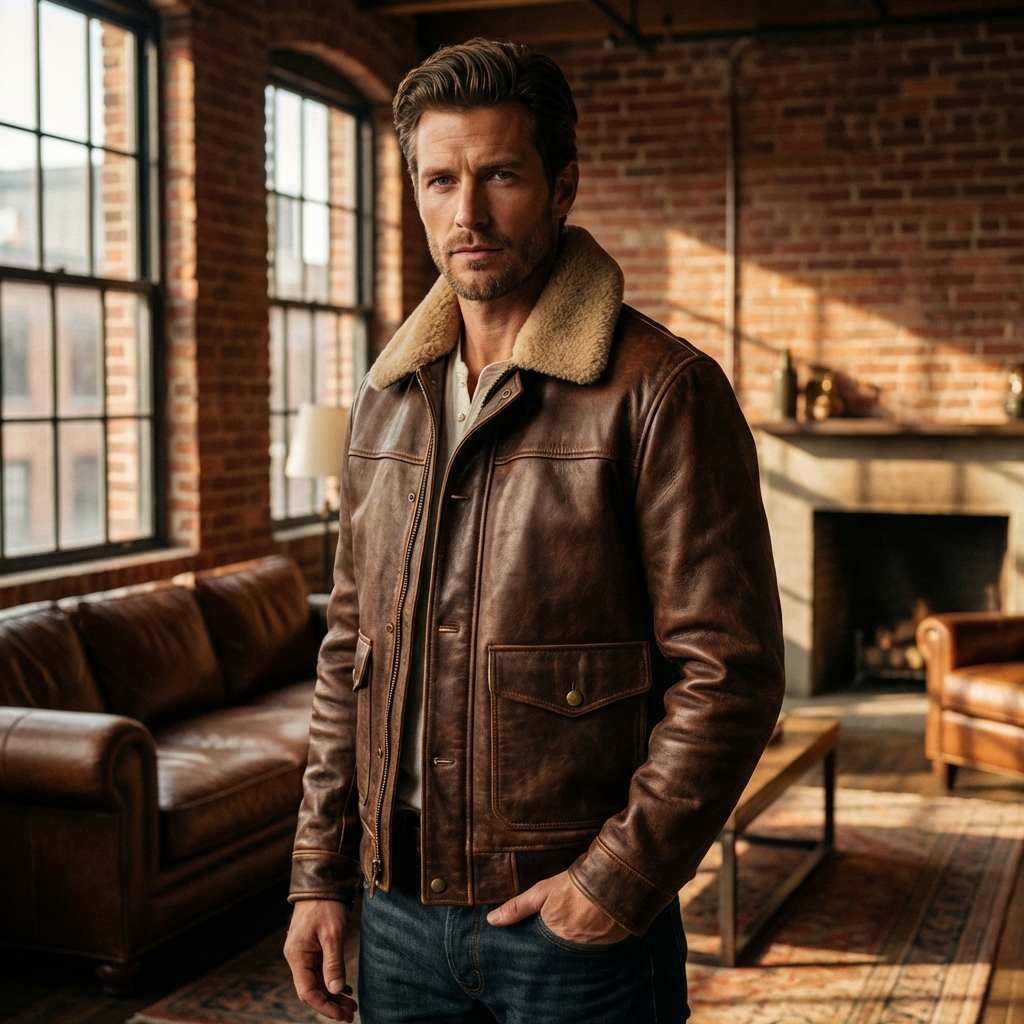
Breaking in a jacket is a rite of passage. It connects you to the garment. The creases on the elbow will match your arm. The fade on the pocket will match your wallet. Embrace the stiffness; it's just the beginning of a lifelong friendship.