Chrome-Tanned vs Vegetable-Tanned Leather: A Material Science Deep Dive
The Chemistry Class: Understanding Your Second Skin
When you buy a leather jacket, the most important specification isn't the brand or the zipper. It is the tanning method.
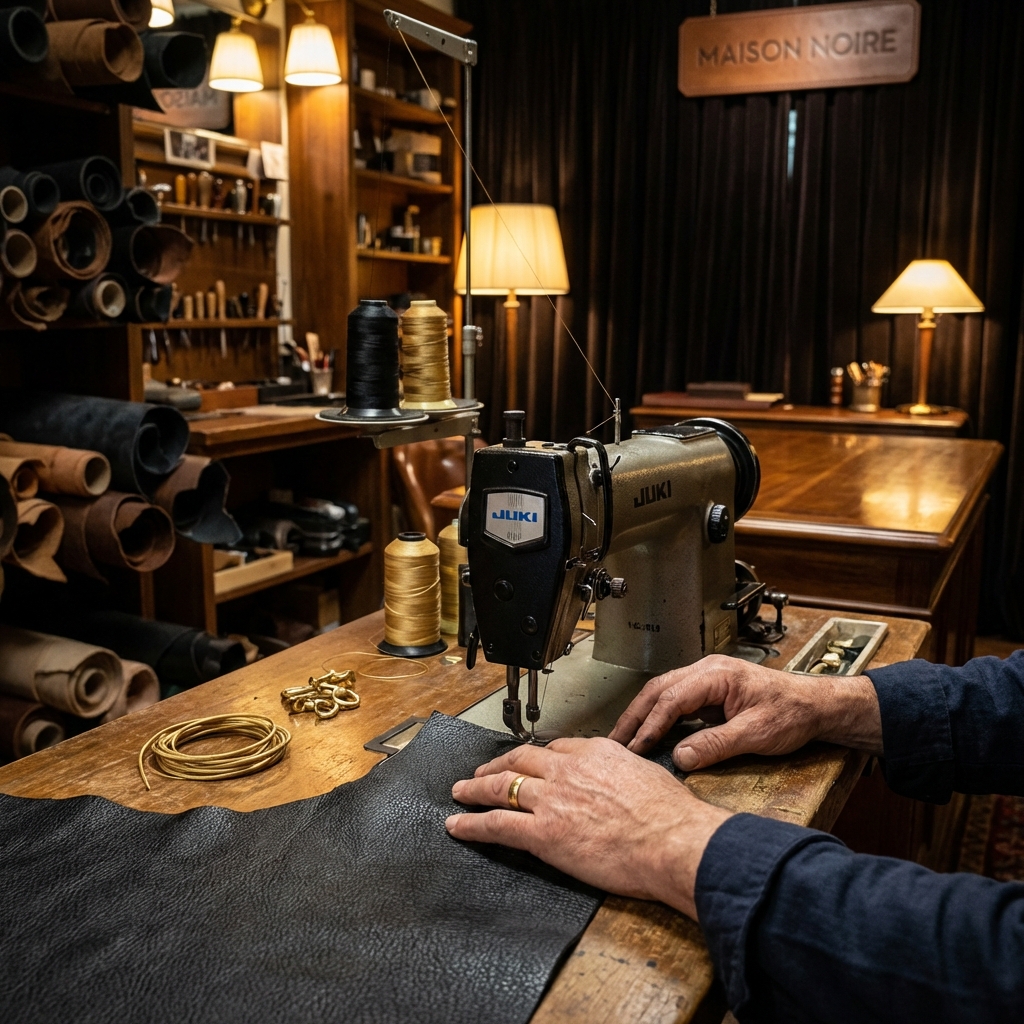
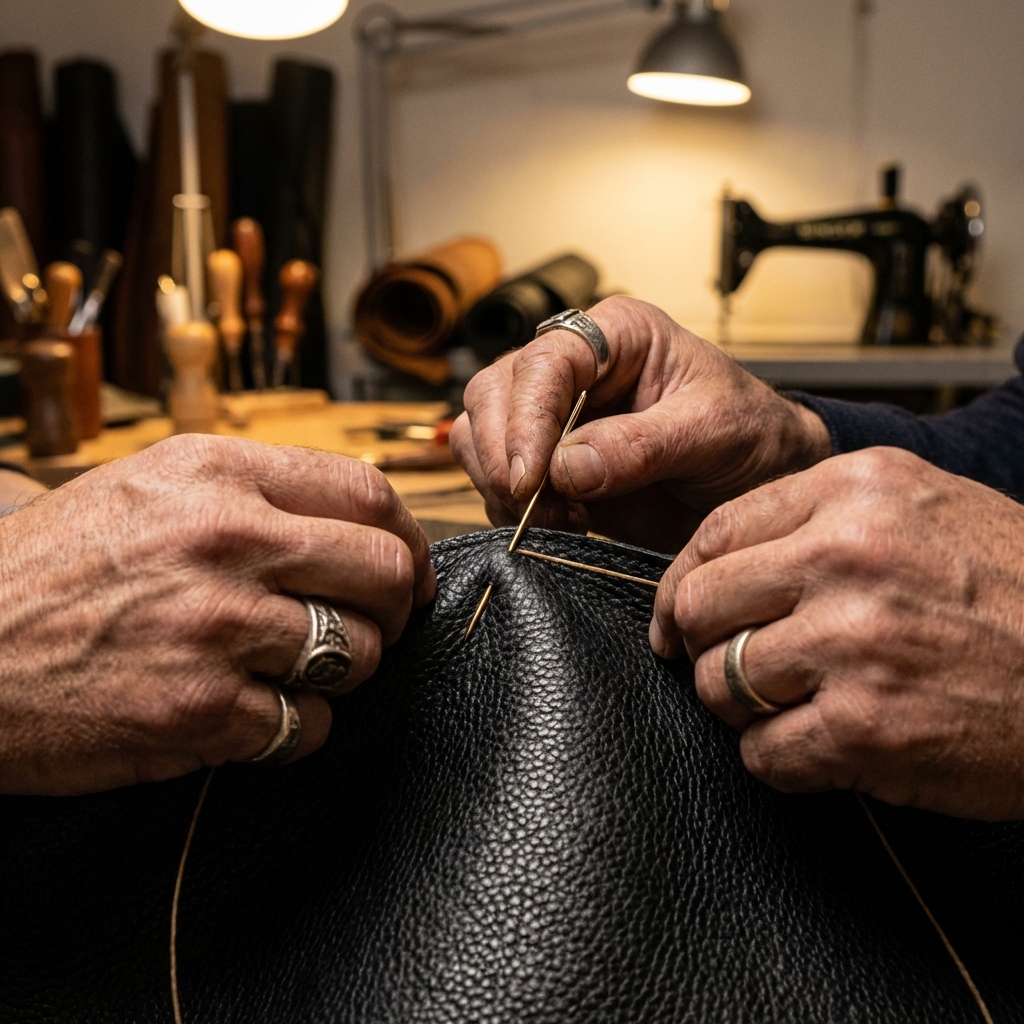
Tanning is the chemical process that turns a biodegradable animal skin into a durable, non-rotting material. There are two main ways to do this, and they result in completely different products.
1. Chrome Tanning (The Modern Standard)
The Process: Hides are tumbled in drums with Chromium Sulfate salts and acidic mixes.
Time: Fast. It takes about 24-48 hours.
The Result:
- Softness: Chrome leather is soft and pliable immediately. It doesn't need a "break-in" period.
- Color: It holds dye incredibly well. If you see a bright red, neon blue, or pure white jacket, it is Chrome Tanned.
- Water Resistance: It repels water better than Veg Tan.
- Heat Resistance: It can withstand higher temperatures without shrinking.
The Vibe: Modern, fashion-forward, luxury (Prada, Saint Laurent use high-end Chrome).
2. Vegetable Tanning (The Heritage Art)
The Process: An ancient method using natural tannins found in tree bark (Oak, Chestnut, Mimosa).
Time: Slow. It takes 30-60 days.
The Result:
- Stiffness: It is rigid when new. You have to "earn" the comfort by wearing it.
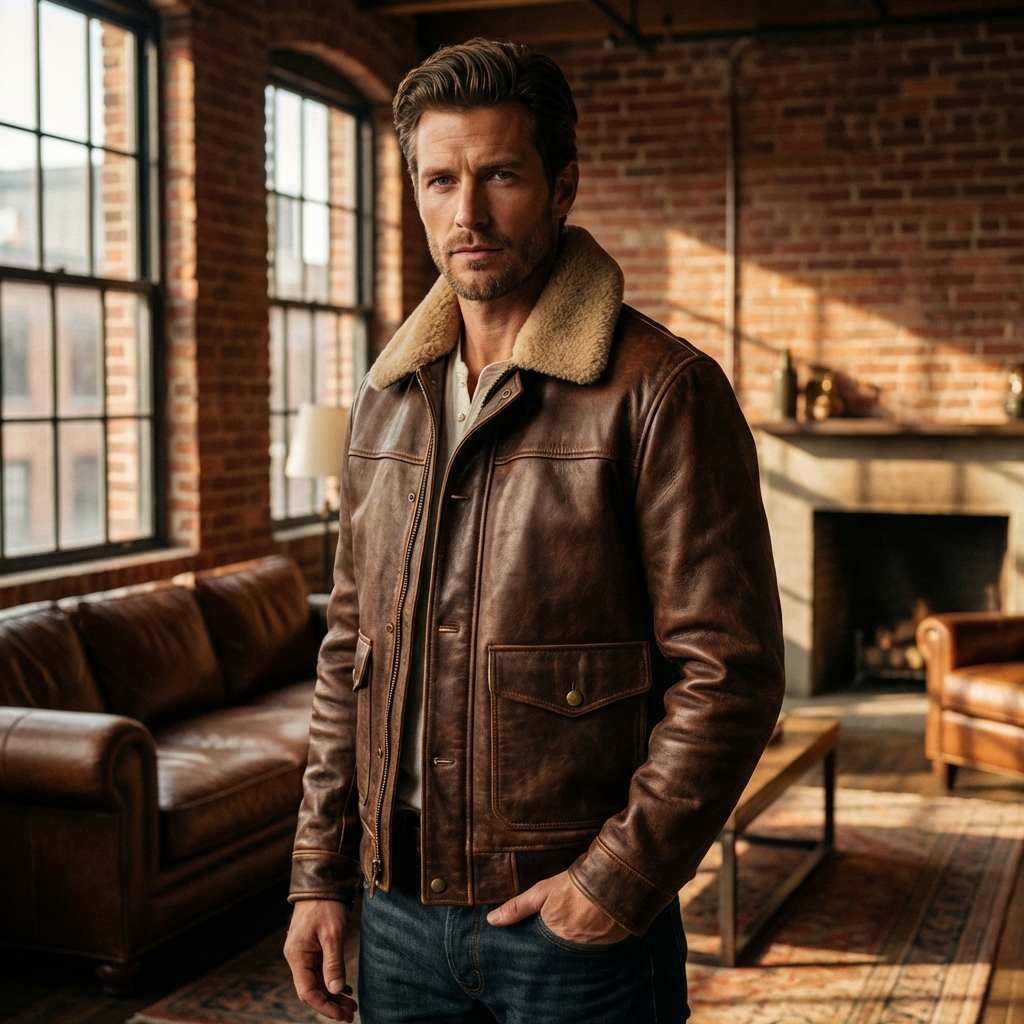
- Patina: This is the holy grail. Veg Tan leather absorbs oils, sunlight, and indigo from your jeans. It changes color (darkens) and develops a unique sheen over time.
- Smell: It has that rich, earthy "leather smell." Chrome leather often smells like chemicals.
The Vibe: Rugged, heritage, vintage (Schott, Aero Leather, Iron Heart).
Which Should You Choose?
Buy Chrome Tanned If: You want a fashion jacket that is comfortable day one, lightweight, and waterproof. You want a specific bright color.
Buy Vegetable Tanned If: You are a purist. You want a jacket that will outlive you. You love the idea of "Patina" and want the jacket to tell your story.